

TRENDING
Got questions about a US Visitor Visa? Connect directly with a US Visitor Visa Lawyer and get clear, expert answers fast. Don't waste time guessing or risking delays-ask your question today and get guidance tailored to your situation from a lawyer who knows US Visitor Visas inside out.
To get a quick response from a licensed attorney, we request you to post your question in intricate detail
People use immigrationquestion.com to get guidance from licensed U.S. immigration attorneys. Getting help is simple.
Tell us about your situation. Share your question and any important details so attorneys can understand your case.
Licensed U.S. immigration attorneys on the platform review new questions and respond with guidance based on your situation.
Get your detailed answer. If you need more help, you can even connect directly with an attorney who may be able to take on your case.
.png&w=1200&q=75)
A US Visitor Visa is a temporary visa that allows people from other countries to enter the United States for short visits. It is designed for tourism, visiting family or friends, or attending business meetings, conferences, or other short-term events.
People typically apply for a US Visitor Visa when they want to travel to the U.S. for leisure, family visits, or professional purposes without staying long-term. This visa is intended for travelers who plan to return to their home country after their visit and do not intend to work or study while in the U.S.

Anyone planning a short trip to the United States can apply for a US Visitor Visa, as long as they meet the basic requirements for temporary travel. Typical applicants include:
A US Visitor Visa is meant for travelers who intend to return home after their visit and do not plan to work or study in the U.S.
To qualify for a US Visitor Visa, applicants must meet specific criteria that show they plan a legitimate short visit and intend to return to their home country. Meeting these requirements increases the chances of approval.
Having the right documents ready is essential for a smooth US Visitor Visa application. Incomplete or missing paperwork is a common reason for delays and denials.
Applying for a US Visitor Visa involves several steps and requires careful preparation. Following the process correctly helps avoid delays and increases your chances of approval.
Fill out the online DS-160 application accurately, providing personal, travel, and background information. Double-check details to avoid mistakes that could delay processing.
Pay the non-refundable visa application fee according to the U.S. embassy or consulate instructions. Keep the receipt, as it is required for your interview.
Book an interview at the U.S. embassy or consulate in your country. Early scheduling is recommended, as appointment availability may be limited.
Gather all necessary documents, including passport, photos, financial proof, travel plans, and supporting letters. Ensure everything is organized and easy to present.
Attend the interview on the scheduled date, answer questions honestly, and provide requested documents. Your intent to return home will be assessed.
After the interview, your application will be reviewed. Processing times vary. You will be notified when your US Visitor Visa is approved or denied.
To get a quick response from a licensed attorney, we request you to post your question in intricate detail
.png&w=3840&q=75)
The typical processing time for a US Visitor Visa ranges from a few days to several weeks, depending on factors like your location, the complexity of your case, and the current workload at the U.S. embassy or consulate. It is important to plan ahead, as exact timelines cannot be guaranteed.
Processing can take longer if your application is incomplete, contains errors, or is missing required documentation. Consulates may also experience delays due to high demand, staffing issues, or additional security checks, which can extend the overall timeline.
Each US Visitor Visa case is unique, so some applicants may receive approval quickly while others wait longer. Staying organized, submitting accurate documents, and responding promptly to requests can help reduce delays and ensure your application moves as smoothly as possible.
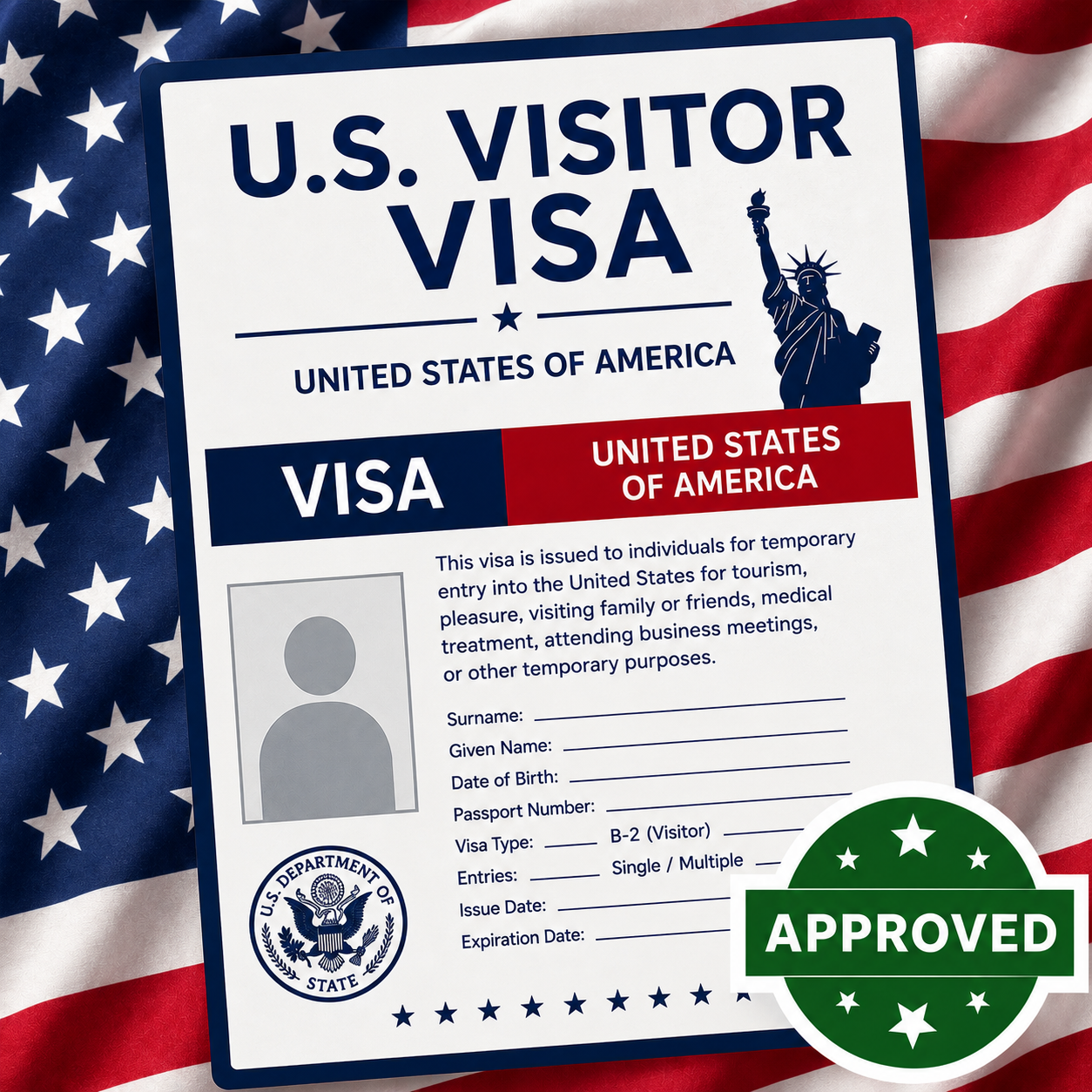
The cost of obtaining a US Visitor Visa typically ranges from moderate to higher, depending on application complexity and additional services required.
Government Filing Fees – Paid to the U.S. embassy or consulate, these cover visa processing and are usually required before the interview.
Legal or Attorney Fees – If you work with a US Visitor Visa Lawyer, fees vary based on the service, advice, and support provided.
Additional Costs – These may include document translations, medical exams, travel to the embassy, or notarization, and are usually paid as needed throughout the process.
Visa applications can be denied for several reasons, often related to eligibility, missing or incorrect documentation, or mistakes during the application process. Understanding these risks helps applicants avoid common pitfalls.
Errors or missing information on the DS-160 or supporting documents can lead to denial. Double-check all details and provide complete, accurate information.
Failure to show strong connections, like a job, family, or property, may suggest you won't return. Provide clear evidence of ties to your home country.
If you cannot prove you can support yourself during the visit, the visa may be denied. Submit bank statements, pay slips, or sponsorship letters.
Past overstays, visa violations, or deportations increase the risk of denial. Full disclosure and documentation can help mitigate concerns.
A criminal record or security-related issues may result in refusal. Applicants with concerns should seek advice from a US Visitor Visa Lawyer before applying.
Approval of a US Visitor Visa is an important milestone, but it does not guarantee entry into the United States. It allows you to travel to a U.S. port of entry, where a Customs and Border Protection officer will confirm your eligibility to enter.
Once approved, you will receive your visa in your passport, showing the validity period and conditions of your stay. The visa grants the right to visit for tourism, business, or short-term purposes, but it does not permit work or long-term residence.
While in the U.S., it is essential to comply with the visa's conditions, including the authorized duration of stay. Overstaying or violating restrictions can affect future travel. Keeping documentation organized and understanding your responsibilities helps ensure a smooth visit under your US Visitor Visa.

A denial of a US Visitor Visa does not always mean the end of your options. Depending on the reason for refusal, applicants may be able to address issues and reapply in the future.
After a denial, you will receive a notice explaining the reason your visa was refused. Understanding this explanation is essential for deciding your next steps, whether correcting documentation, providing additional evidence, or clarifying eligibility.
Applicants can evaluate their options carefully, including reapplying or seeking guidance from a US Visitor Visa Lawyer. While approval is never guaranteed, informed actions and proper preparation can improve chances in future applications.
A US Visitor Visa consultation is most valuable when you face uncertainty, complex travel plans, or important immigration decisions. Situations like previous visa denials, unusual travel circumstances, or questions about eligibility are common reasons to seek expert guidance.
At ImmigrationQuestion, you don't need to commit to a full consultation right away. You can ask your question and get clear, practical advice from a licensed US Visitor Visa Lawyer, helping you understand your options and next steps before deciding on a full consultation.
Connect with licensed immigration attorneys who handle real immigration cases every day. Get reliable advice on immigration matters from experts who understand the legal process.
Immigration law can be complicated. Our platform helps you get clear answers and practical guidance so you can better understand your legal options before deciding your next step.
Whether you are dealing with visas, work permits, citizenship, or immigration court matters, you can ask questions and receive guidance tailored to your specific immigration situation.
Have questions about a US Visitor Visa? Connect instantly with a licensed US Visitor Visa Lawyer and get clear, expert guidance tailored to your situation today. Visit ImmigrationQuestion.com to begin.
Subscribe to our newsletter to get the latest immigration news and insights delivered to your inbox.


10K + Attorneys and Immigrants Already Joined
Download the immigrationquestion.com app
Post your immigration question free
Download the immigrationquestion.com app
Post your immigration question free