

TRENDING
If you're unsure about your J1 Visa or need guidance on your next steps, a J1 Visa lawyer can provide clear answers quickly. Post your question, explore your options, and gain confidence without searching through complex resources.
To get a quick response from a licensed attorney, we request you to post your question in intricate detail
People use immigrationquestion.com to get guidance from licensed U.S. immigration attorneys. Getting help is simple.
Tell us about your situation. Share your question and any important details so attorneys can understand your case.
Licensed U.S. immigration attorneys on the platform review new questions and respond with guidance based on your situation.
Get your detailed answer. If you need more help, you can even connect directly with an attorney who may be able to take on your case.
.png&w=1200&q=75)
A J1 Visa is a non-immigrant visa for individuals participating in U.S. exchange programs. It's intended for students, trainees, and professionals seeking hands-on experience, training, or cultural exchange opportunities.
People apply for a J1 Visa to take part in educational, work-based, or cultural programs. It allows participants to gain practical skills or cultural exposure while maintaining lawful status in the U.S. during the program.

Anyone admitted to an approved U.S. exchange program can apply for a J1 Visa. This includes students, interns, trainees, and professionals seeking training or cultural experience. Eligible applicants include:
The J1 Visa is for those pursuing practical experience or cultural exchange while maintaining lawful U.S. status.
Applicants must meet specific criteria to qualify for a J1 Visa and participate in approved programs.
Proper documents ensure eligibility, support your intent, and reduce delays or denials.
Applying for a J1 Visa involves careful preparation and several steps to ensure your application is complete.
Enroll in a sponsor-approved U.S. exchange program and receive your DS-2019 Form.
Pay the SEVIS I-901 fee online and keep the receipt for your visa interview.
Fill out the DS-160 form online, review carefully, and print the confirmation page.
Book an appointment at a U.S. embassy or consulate. Schedule early to avoid delays.
Collect DS-2019, passport, DS-160 confirmation, financial proof, and other supporting documents.
Bring all documents, answer questions honestly, and demonstrate your intent to return home after the program.
After your interview, await the J1 Visa decision and follow instructions for passport collection once approved.
To get a quick response from a licensed attorney, we request you to post your question in intricate detail
.png&w=3840&q=75)
J1 Visa processing usually takes several weeks to months, depending on embassy location, program type, and application completeness.
Incomplete forms, missing documents, or errors can slow the process. Accurate submission of all required materials helps speed approval.
Other factors, like embassy workload, holidays, or additional checks, may affect processing time. Each case is unique, so plan accordingly.
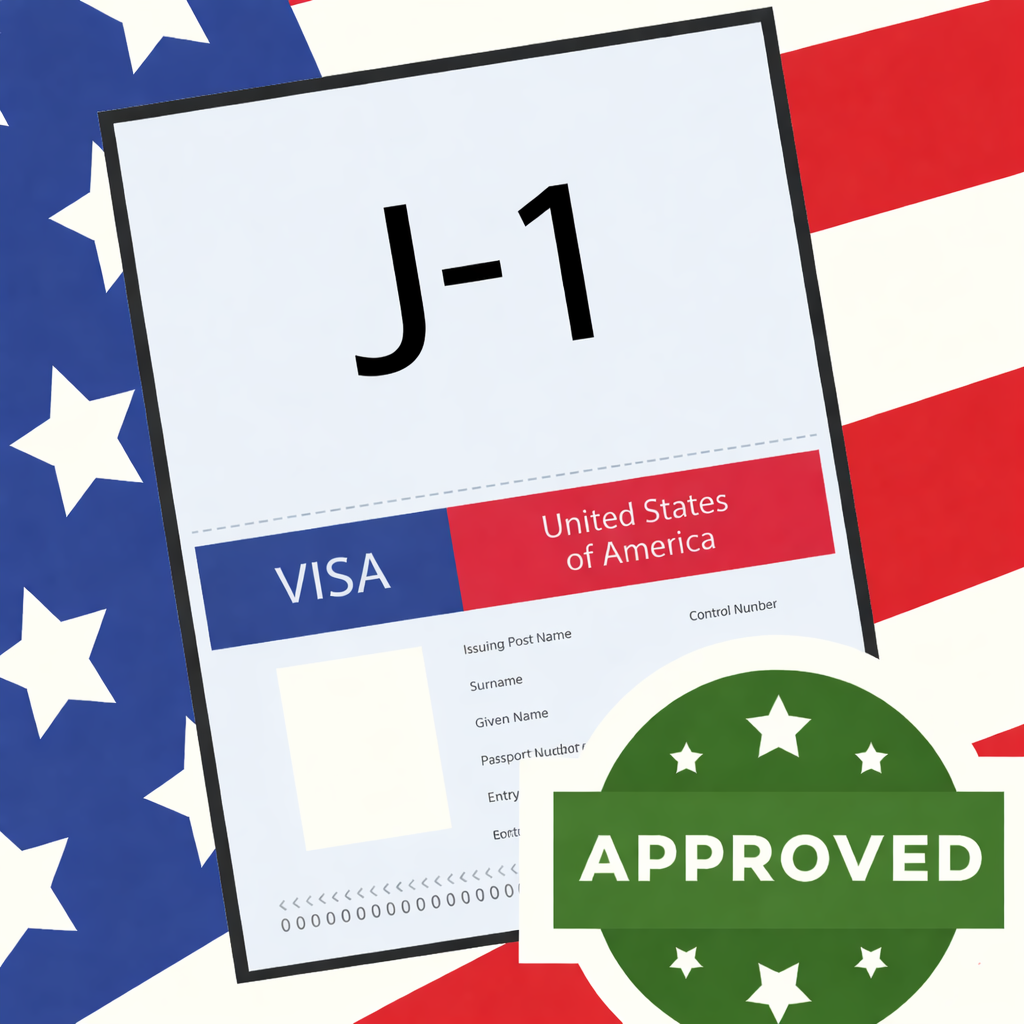
The total cost varies based on your program and optional guidance.
Government fees – Includes SEVIS I-901 and visa application fees, paid before your interview.
Attorney fees – Optional fees for a J1 Visa lawyer for guidance and document review.
Other expenses – May include document preparation, medical exams, translations, passport photos, or travel, paid as required.
Denials often occur due to eligibility issues, missing documents, or errors in the application.
Missing or inaccurate documents is a common cause. Ensure forms and supporting materials are complete.
Failure to show sufficient funding can lead to denial. Provide clear financial evidence.
You must demonstrate plans to leave the U.S. after program completion.
Mistakes on DS-160 or DS-2019 forms can delay or prevent approval.

Approval is a major milestone, but several responsibilities follow.
You'll receive your visa and can enter the U.S. for your program, carrying all required documents.
While in the U.S., maintain full program participation, follow sponsor rules, and return home upon completion. J1 Visa grants practical experience with specific limits.

Receiving a J1 Visa denial can be disappointing, but it does not always mean your exchange program plans are over. Applicants may still have options depending on the reason for denial and their individual circumstances.
After a denial, you will receive an official notice explaining the decision. This notice helps you understand why the application was refused, whether due to missing documents, insufficient proof of funding, or other eligibility concerns. Carefully reviewing this information is essential for determining next steps.
Once you know the reason for denial, you can evaluate your options. This may include reapplying, correcting errors, or seeking guidance from a J1 Visa lawyer. Understanding the process and your alternatives helps you plan your next steps realistically and confidently.
Connect with licensed immigration attorneys who work on real cases every day. Get professional guides from licensed attorneys.
Immigration law can be complicated. Our platform gives you clear answers and practical guides, so you can understand your options before deciding what to do next.
If you are dealing with visas, work permits, citizenship, or immigration court matters, you can ask questions and receive guidance specific to your immigration situation.
Connect with a licensed J1 Visa lawyer today and get clear guidance. Ask your immigration questions easily on ImmigrationQuestion.com and get accurate and professional guidance.
Subscribe to our newsletter to get the latest immigration news and insights delivered to your inbox.


10K + Attorneys and Immigrants Already Joined
Download the immigrationquestion.com app
Post your immigration question free
Download the immigrationquestion.com app
Post your immigration question free