

TRENDING
Stop searching through outdated forums for answers about your career. If you are unsure about your eligibility or documentation, ask an O1 visa lawyer your specific question today. Get clear, professional guidance from licensed experts on immigrationquestion.com so you can move forward with your application and your professional goals.
To get a quick response from a licensed attorney, we request you to post your question in intricate detail
People use immigrationquestion.com to get guidance from licensed U.S. immigration attorneys. Getting help is simple.
Tell us about your situation. Share your question and any important details so attorneys can understand your case.
Licensed U.S. immigration attorneys on the platform review new questions and respond with guidance based on your situation.
Get your detailed answer. If you need more help, you can even connect directly with an attorney who may be able to take on your case.
.png&w=1200&q=75)
An O-1 visa is a non-immigrant work permit for individuals with extraordinary ability in fields such as science, arts, education, business, or athletics. This visa allows individuals who have reached the very top of their profession to live and work in the United States for a set period. It is intended for those who can show a record of national or international acclaim through awards, high salaries, or significant original contributions to their industry.
People apply for an O-1 Visa when they have a job offer or a project in the U.S. that requires their specific, high-level skills. It is a common choice for entrepreneurs, researchers, and creative professionals who do not fit into standard work visa categories. Because it has no annual cap, it is a flexible option for professionals who need to move quickly to start a new role or lead a major project.

Anyone who can demonstrate high-level achievement in their field can apply for an O-1 visa. This category focuses on professionals who have risen to the very top of their industry. Whether you are a scientist with published research or a graphic designer with major industry awards, the key is to show that your skills and accomplishments are well above average.
To qualify for an O1 Visa, you must show that you have reached the very top of your field through a record of high achievement. Applicants must meet at least three specific standards to demonstrate their extraordinary skills.
Submitting a complete and well-organized file is essential for a smooth process. Providing the right proof helps officers quickly verify your achievements and ensures your application meets the high standards required.
Applying for this status involves several distinct phases that require careful timing and organization. Following these steps helps ensure your paperwork moves through the system without unnecessary delays.
You cannot apply on your own; you must have a U.S. employer, agent, or sponsor. They will act as the petitioner and file the necessary paperwork for you.
Collect all proof of your professional success, including awards, press clippings, and recommendation letters. This evidence is the most critical part of your entire application.
Request a formal letter from a labor union or peer group in your industry. This document confirms that you are indeed a professional of extraordinary ability.
Your sponsor submits Form I-129 and all supporting documents to USCIS. You can choose premium processing if you need a decision within fifteen calendar days.
Once approved, if you are outside the U.S., you must visit a local embassy. Bring your approval notice and passport to receive the physical visa stamp.
To get a quick response from a licensed attorney, we request you to post your question in intricate detail
.png&w=3840&q=75)
Standard processing for an O1 Visa generally ranges from two to four months, though the exact timeline depends on the current workload at the specific service center handling your file. While some cases move quickly, factors such as the time of year or a sudden increase in applications can delay the government's decision. It is best to plan your move or project start date with this flexible window in mind to avoid unnecessary stress.
Several specific variables can impact how fast your paperwork moves through the system, including the complexity of your professional background and the clarity of your evidence. If your application is missing key documents or the officer requires more information, they may issue a Request for Evidence, which can significantly delay the process. Ensuring your initial submission is thorough and well-organized is the most effective way to prevent these types of external delays and keep your case on track.
For those who need to start work urgently, premium processing is available and guarantees a response within 15 calendar days for an additional fee. This route is popular for professionals with tight project deadlines or immediate job offers, as it provides much more certainty than the standard timeline. Regardless of the path you choose, staying informed about current government wait times will help you set realistic expectations for your transition to working in the United States.
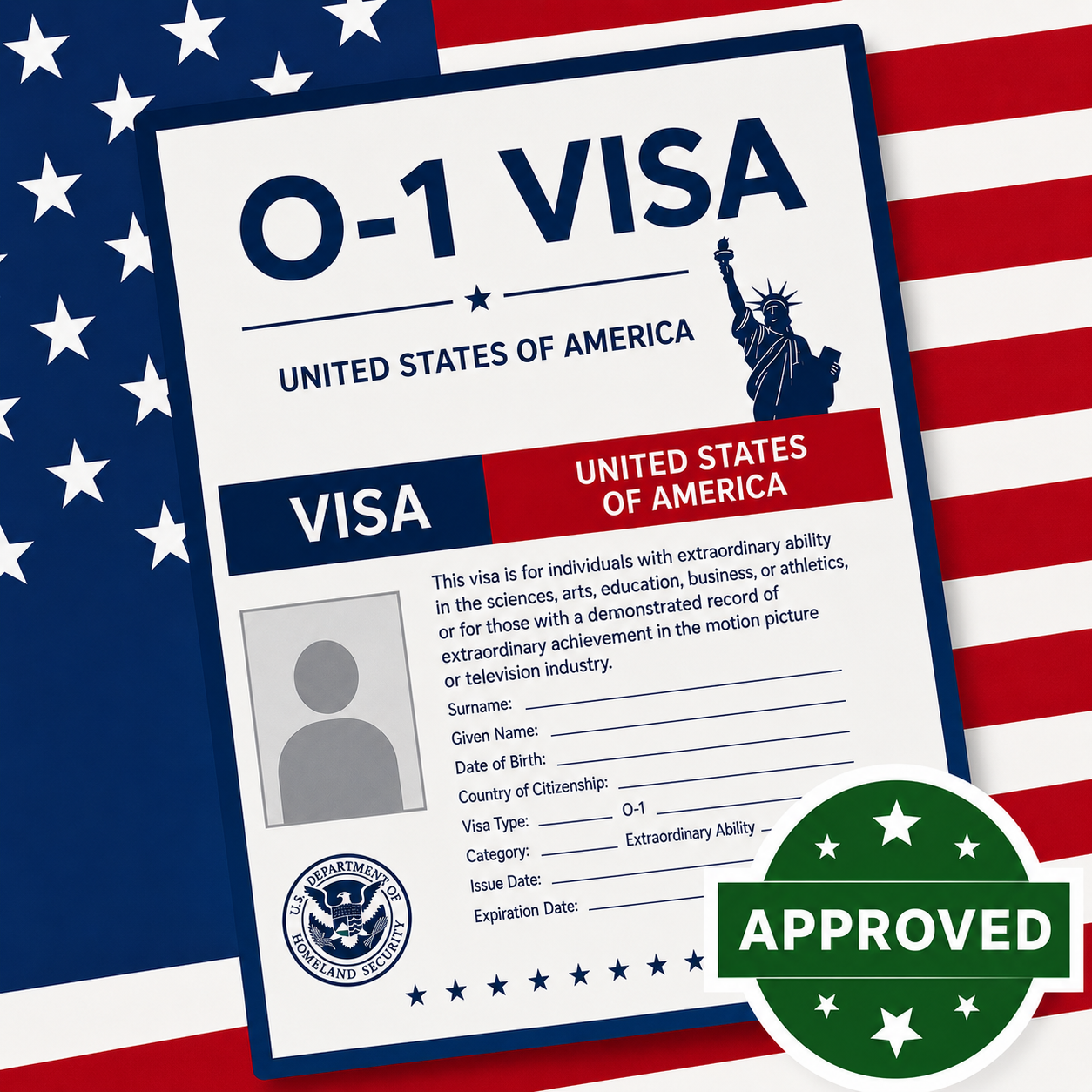
The total cost to secure an O-1 visa varies based on your specific situation and the urgency of your request. You should plan for several different types of expenses throughout the application process.
Government Filing Fees – There is a standard fee for processing your petition. The amount depends on the size of your sponsoring company or organization. If you need a fast response, there is an additional optional fee for premium processing.
Attorney Fees – Most people hire an O1 visa lawyer to handle the complex documentation and strategy. This fee covers the work of organizing your evidence, drafting the petition, and responding to any government inquiries.
Additional Costs – You should also budget for smaller expenses such as professional translations for foreign documents, fees for required expert opinion letters, and the cost of your final visa interview at a U.S. embassy.
While many applications are successful, several factors can lead to a denial. Understanding these common pitfalls helps you strengthen your petition and avoid mistakes that could jeopardize your U.S. work plans.
A denial often happens when the evidence does not clearly prove you are at the top of your field. To avoid this, ensure every claim is backed by solid documentation, such as major awards or significant press coverage.
Generic or vague letters from peers can lead to rejection. You need specific, detailed endorsements from recognized experts that clearly explain your original contributions and the impact your work has had on the industry.
The petition may be denied if the sponsoring company or agent cannot prove they have actual work or projects for you. Providing a clear itinerary and a signed contract helps demonstrate that a valid job exists.
USCIS requires that you satisfy at least three specific evidentiary standards. If the officer determines that your proof meets only one or two requirements, the O-1 Visa will be denied. It is safer to submit strong evidence for four or five categories.
If the mandatory peer group letter is missing or raises concerns about your eligibility, it may result in a denial. Always ensure you obtain a supportive opinion from the correct labor union or professional organization for your specific role.

Approval is a major milestone, but there are specific steps that follow. If you are abroad, you must visit a consulate for your passport stamp. If already in the U.S., your status updates automatically, allowing you to begin your authorized role.
This status grants you the right to work for your sponsor and bring family members. However, your stay depends on your employment. If your project ends early, you must update your status to remain in good standing.
To maintain your O-1 Visa, follow the itinerary you submitted and report any address changes. You can request extensions as long as your work continues, allowing you to focus on your professional goals.

A denial does not always end your journey, as you may still have options depending on your situation. When an O-1 visa is denied, you will receive an official notice explaining the specific reasons for the denial. Reviewing this document is essential to understanding which parts of your background or evidence did not meet the required standards.
One common path is to file a new O1 Visa petition with stronger documentation and more detailed evidence. If the first attempt was rejected due to weak proof, adding better recommendation letters or clearer press coverage can lead to success.
You might also consider different work categories that better align with your background. If you believe the decision was a mistake, you can ask the government to review the case. Using this feedback helps you build a more robust submission for the future.
An O1 visa lawyer consultation is best when you feel unsure about your eligibility or have a tricky situation. It helps to get professional advice if you have past visa issues or need to plan your stay carefully. Getting input early on helps you avoid simple mistakes and makes the entire process much smoother.
Instead of booking a paid consultation, you can post your questions on ImmigrationQuestion.com to get quick guidance from licensed professionals. This is a fast, easy way to get clear answers and decide on your next steps without any pressure.
Connect with licensed immigration attorneys who handle real immigration cases every day. Get reliable advice on immigration matters from experts who understand the legal process.
Immigration law can be complicated. Our platform helps you get clear answers and practical guidance so you can better understand your legal options before deciding your next step.
Whether you are dealing with visas, work permits, citizenship, or immigration court matters, you can ask questions and receive guidance tailored to your specific immigration situation.
Get clear answers from licensed professionals. Connect today for simple guidance on your status and take your next step with confidence.
Subscribe to our newsletter to get the latest immigration news and insights delivered to your inbox.


10K + Attorneys and Immigrants Already Joined
Download the immigrationquestion.com app
Post your immigration question free
Download the immigrationquestion.com app
Post your immigration question free