

TRENDING
Have questions about the EB-1A Visa? Speak directly with an experienced EB-1A Visa Attorney on ImmigrationQuestion.com who can review your case, explain your options, and guide you toward approval. Don't wait. Get personalized answers now and take the first step toward securing your U.S. green card.
To get a quick response from a licensed attorney, we request you to post your question in intricate detail
People use immigrationquestion.com to get guidance from licensed U.S. immigration attorneys. Getting help is simple.
Tell us about your situation. Share your question and any important details so attorneys can understand your case.
Licensed U.S. immigration attorneys on the platform review new questions and respond with guidance based on your situation.
Get your detailed answer. If you need more help, you can even connect directly with an attorney who may be able to take on your case.
.png&w=1200&q=75)
The EB-1A Visa is a U.S. immigrant visa for individuals with extraordinary ability in science, arts, education, business, or athletics. It allows highly accomplished professionals to apply for permanent residency without needing a U.S. employer to sponsor them.
People typically use the EB-1A Visa to live and work in the U.S. when they have national or international recognition in their field. It is intended for those who can demonstrate exceptional achievements, such as awards, publications, leadership roles, or original contributions. Many applicants pursue it to secure a faster path to a green card.

Anyone with extraordinary ability in their field can apply for an EB-1A Visa. This visa is designed for individuals whose work has earned them national or international recognition. People who typically qualify include:
An EB-1A Visa allows these high achievers to self-petition for U.S. permanent residency.
To qualify for an EB-1A Visa, applicants must meet specific criteria demonstrating extraordinary ability. Meeting these standards shows that your achievements are recognized nationally or internationally.
Submitting the right documents is essential for an EB-1A Visa petition. Proper documentation proves your extraordinary ability and strengthens your case for approval.
The EB-1A Visa application involves several steps and requires careful preparation. Each step ensures your petition demonstrates extraordinary ability and meets USCIS requirements effectively.
Review your achievements to confirm you meet EB-1A Visa criteria. Identify awards, publications, leadership roles, and original contributions that strengthen your case.
Collect all evidence supporting your petition, including awards, membership proofs, publications, recommendation letters, and salary documentation. Organize files clearly for easy reference.
Complete Form I-140 accurately, including personal information, qualifications, and a detailed summary of your extraordinary achievements for the EB-1A Visa.
Obtain recommendation letters from recognized experts in your field. Each letter should explain your contributions and why they demonstrate extraordinary ability.
File your Form I-140 along with all supporting documents to USCIS. Double-check for completeness and follow filing instructions precisely.
If USCIS requests additional information, provide clear and timely responses. Address all points carefully to avoid delays or denial.
Once approved, complete either adjustment of status in the U.S. or consular processing abroad to obtain your green card as part of the EB-1A Visa process.
To get a quick response from a licensed attorney, we request you to post your question in intricate detail
.png&w=3840&q=75)
The EB-1A Visa typically takes between 8 and 14 months to process, though timelines can vary depending on case complexity, filing location, and government workload. Each petition is unique, so exact timing cannot be guaranteed.
Processing speed can be affected by factors such as the accuracy of your application, the completeness of supporting documentation, and whether USCIS requests additional evidence. Mistakes or missing documents can lead to delays, while well-prepared petitions are usually reviewed more efficiently.
External factors like changes in immigration policy, staffing at USCIS offices, or consular scheduling can also impact timelines. Working with an experienced EB-1A Visa Attorney helps ensure your application is thorough and reduces avoidable delays.
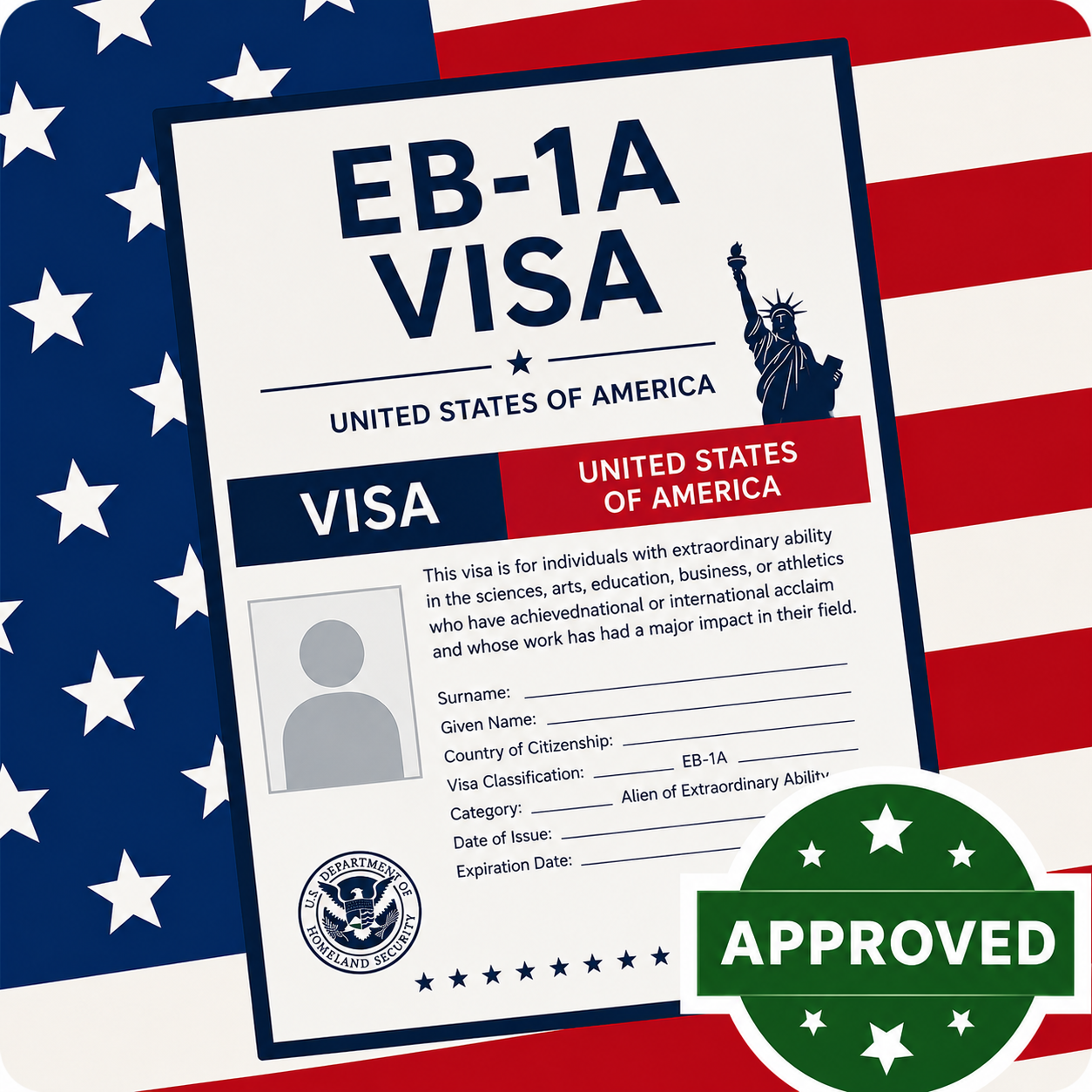
The total cost of obtaining an EB-1A visa typically ranges from several thousand to over ten thousand dollars, depending on the complexity of your case and services needed.
Government filing fees cover the I-140 petition and any required forms, usually paid when submitting the application.
Legal or attorney fees cover case evaluation, petition preparation, and guidance throughout the process, often billed upfront or in stages.
Additional costs can include document translations, preparing supporting evidence, medical exams, and travel for consular processing if required, typically paid as needed during the application process.
EB-1A Visa applications can be denied for several reasons, often related to eligibility, missing or weak documentation, or errors in the petition. Understanding these risks helps applicants avoid common mistakes.
Applications can be denied if your achievements do not clearly demonstrate national or international recognition. Providing strong awards, publications, and recommendations helps prevent this.
Failure to include required forms, letters, or supporting evidence can lead to denial. Carefully organizing and submitting all documents reduces this risk.
Mistakes on Form I-140 or supporting materials can cause delays or rejection. Double-checking all information ensures accuracy and avoids unnecessary denials.
Letters that lack detail or credibility may not sufficiently support your extraordinary ability claim. Obtaining letters from recognized experts strengthens your petition.
If contributions are not clearly original or influential in your field, USCIS may deny the petition. Highlighting measurable impact helps overcome this issue.

Approval of an EB-1A visa is an important milestone, but there are still steps to complete before you can fully benefit from it. Receiving official documentation, such as your I-140 approval notice, confirms that USCIS recognizes your extraordinary ability.
Next, applicants either adjust status in the United States or complete consular processing abroad to obtain their green card. This allows you to live and work in the U.S., but you must follow all immigration rules and maintain lawful status throughout the process.
After approval, you gain the rights and benefits of permanent residency, including employment freedom and the ability to sponsor dependents. You must also comply with reporting requirements, avoid unauthorized work outside permitted terms, and keep personal information updated with immigration authorities to maintain your status.

A denial of an EB-1A Visa does not always mean the end of your immigration journey. Applicants may still have options depending on the reason for the decision and their overall case.
After a denial, USCIS provides an official notice explaining why the petition was rejected. Understanding the specific reasons helps applicants assess whether additional evidence, corrections, or clarifications could strengthen a new or reopened petition.
Next steps often include consulting with an experienced EB-1A Visa Attorney to evaluate options, such as filing a motion to reopen, appealing the decision, or preparing a new petition. Taking timely and informed action can improve your chances in future filings.
An EB-1A Visa Attorney consultation is most helpful when you face uncertainty, complex eligibility questions, or important immigration decisions. It can guide you through evaluating your achievements, understanding the petition process, and avoiding common pitfalls.
With ImmigrationQuestion.com, you don't have to commit to a full consultation right away. You can ask your question directly and get guidance from licensed EB-1A Visa Attorneys, giving you practical advice and clarity on your next steps before moving forward.
Connect with licensed immigration attorneys who handle real immigration cases every day. Get reliable advice on immigration matters from professionals who understand the legal process.
Immigration law can be complicated. Our platform helps you get clear answers and practical guidance so you can better understand your legal options before deciding your next step.
Whether you are dealing with visas, work permits, citizenship, or immigration court matters, you can ask questions and receive guidance tailored to your specific immigration situation.
Get legal guidance on your EB-1A Visa today. Speak with a licensed EB-1A Visa Attorney and have your questions answered by an experienced immigration professional.
Subscribe to our newsletter to get the latest immigration news and insights delivered to your inbox.


10K + Attorneys and Immigrants Already Joined
Download the immigrationquestion.com app
Post your immigration question free
Download the immigrationquestion.com app
Post your immigration question free