

TRENDING
Do you have an immigration question? Get the clarity you need right now. Applying for a U.S student visa involves high stakes and zero room for error. Ask a U.S student Visa lawyer your specific question today. Secure your future with direct, professional answers.
To get a quick response from a licensed attorney, we request you to post your question in intricate detail
People use immigrationquestion.com to get guidance from licensed U.S. immigration attorneys. Getting help is simple.
Tell us about your situation. Share your question and any important details so attorneys can understand your case.
Licensed U.S. immigration attorneys on the platform review new questions and respond with guidance based on your situation.
Get your detailed answer. If you need more help, you can even connect directly with an attorney who may be able to take on your case.
.png&w=1200&q=75)
A U.S student visa is a specific travel document that allows international citizens to enter the United States to attend an accredited school or program. It acts as official permission for you to live in the country while you pursue your education at a university, college, high school, or vocational institution.
Students typically apply for a U.S student visa after being accepted into a certified school and receiving an I-20 form. This visa is intended for anyone from a foreign country who wants to gain American credentials, whether for a degree, a language certificate, or technical training. By securing a U.S student visa, you can legally remain in the country for the duration of your studies as long as you follow the rules of your specific program.

Anyone from a foreign country who gets accepted into an approved American school can apply for a U.S student visa. This process is open to a wide range of people who want to learn in the United States, from young students starting college to professionals looking for new skills. You qualify if you have a clear plan for your education and the funds to support yourself while you are there.
Using a U.S student visa is the right move if your primary goal is to study and you have already secured a spot in a certified program.
You must meet specific criteria to qualify for a study program in the United States. These rules ensure you are a genuine student with the means to support your stay.
Having the right paperwork ready is the most important part of a successful application. Proper documentation proves your eligibility and prevents delays or denials during your official interview.
Getting your visa involves multiple steps and requires careful preparation. You must follow the official order to ensure your application is processed without delay or error.
Apply to a certified school and receive your official I-20 form. This document is essential for your U.S student visa application and contains your SEVIS ID.
Visit the official website to pay the mandatory I-901 fee. Keep your printed receipt safe, as you will need to show it during your embassy interview.
Fill out the online non-immigrant visa application and upload a compliant photo. Print the confirmation page with the barcode after submitting the digital form.
Follow the instructions for your specific embassy to pay the visa processing fee. This payment is necessary before you can pick a date for your meeting.
Book your appointment at the nearest embassy and bring all your original documents. Answer the officer's questions clearly to show you are a genuine student.
To get a quick response from a licensed attorney, we request you to post your question in intricate detail
.png&w=3840&q=75)
You should expect the process for a U.S student visa to take anywhere from a few weeks to several months. This timeframe starts when you receive your school acceptance and ends when you have the visa in your hand. While some locations move quickly, wait times change frequently based on the number of people applying and how busy your local embassy is at that time.
Several things can slow down your application or change your expected timeline. If your forms contain minor errors or you are missing a required document, the embassy may need more time to review your file. Some students are also selected for additional background checks or administrative processing, which can add weeks to the wait. High demand during the summer months before the fall semester starts often leads to longer waits for interview dates.
To stay ahead of your school start date, it is best to begin your application at least three or four months in advance. Early preparation gives you a buffer in case you face an unexpected delay or if you need to provide more information to the consular officer. Planning ahead ensures you can complete all the steps and secure your U.S student visa without feeling rushed or missing your first day of class.
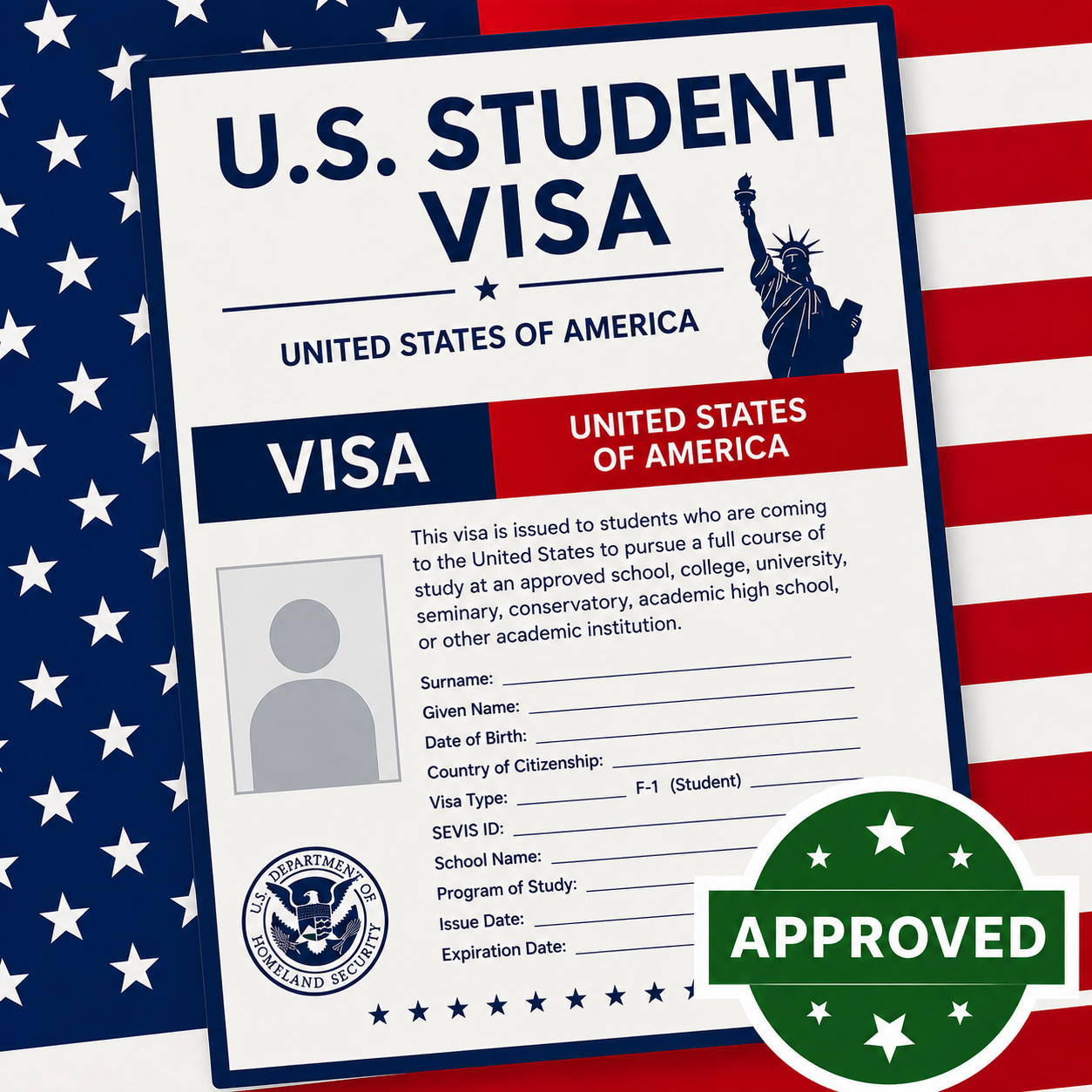
The total cost to obtain a U.S student visa varies based on your location and the complexity of your situation. You should budget several mandatory government charges as well as professional support to ensure your application is handled correctly.
Government Fees – These include the mandatory SEVIS fee to support the student tracking system and the non-refundable visa application fee. A new visa integrity fee may also apply to your case.
Professional Help – Hiring a U.S student visa lawyer covers expert guidance on your forms and interview prep. These fees depend on the level of assistance you need.
Additional Costs – You should account for school-specific document fees, required medical exams, passport photos, and travel to your nearest embassy.
A U.S student visa can be denied for several reasons, often ranging from simple paperwork mistakes to serious concerns about your eligibility. Understanding these risks helps you prepare a stronger and more accurate application.
By law, officers assume every applicant wants to stay in the country permanently. If you cannot show strong ties to your home country, such as family or a job offer, your application will likely be refused under Section 214(b).
You must prove you can afford your tuition and living costs without working. Large, unexplained bank deposits or a lack of clear sponsor documents often leads to a denial because the officer doubts your ability to pay.
Your verbal answers must match exactly what you wrote on your DS-160 form. Any contradictions or robotic, scripted responses can raise red flags about your credibility and lead the officer to question your genuine student status.
If you cannot explain why you chose a specific program or how it helps your future career, your motives may seem suspicious. Officers look for a logical connection between your past studies and your chosen American degree.

Receiving your U.S student visa approval is a major milestone followed by immediate responsibilities. The embassy will print the visa in your passport for you to check before travel. This document allows you to request entry into the United States at a U.S. border.
Once you arrive, you must report to your school to register in the student tracking system. Your U.S student visa allows you to live and study in the country while attending classes full-time. You can work on campus, but you must avoid unauthorized jobs to stay compliant.
Staying in good standing requires you to maintain steady academic progress and keep your I-20 form up to date. You also need a travel signature from your school if you plan to leave and return during breaks. Following these rules ensures your U.S student visa remains valid until graduation.

A U.S student visa denial is a setback, but it does not always mean the end of your educational goals. Most applicants receive a digital or physical notice explaining the specific legal reason their application was not approved. Understanding this feedback is the first step toward deciding how to move forward with your plans.
If your case was denied for missing information, you may be able to submit the required documents without having to start over. However, most denials require you to file a completely new application and pay the processing fees again. You should carefully evaluate your situation to determine whether your circumstances have changed enough to address the officer's concerns.
Taking the time to improve your next application is better than rushing back to the embassy immediately. You can practice your interview skills, gather stronger financial proof, or clarify your ties to your home country. With a more prepared approach, many students successfully secure their U.S student visa on a later attempt.
A US student visa consultation is most useful when you are dealing with uncertainty or complex immigration decisions. Professional advice is helpful if you have a prior denial, a unique financial background, or a gap in your school history. These situations often require a careful strategy to show your true intent as a student and avoid avoidable mistakes that could delay your education.
Instead of jumping into a full consultation, ImmigrationQuestion.com is a practical first step. You can post your specific question and get guidance from licensed professionals on the platform. This allows you to gain clarity on your situation quickly and decide how to proceed. Asking a question here helps you move forward with a clear plan for your studies in the United States.
Connect with licensed immigration attorneys who handle real immigration cases every day. Get reliable advice on immigration matters from experts who understand the legal process.
Immigration law can be complicated. Our platform helps you get clear answers and practical guidance so you can better understand your legal options before deciding your next step.
Whether you are dealing with visas, work permits, citizenship, or immigration court matters, you can ask questions and receive guidance tailored to your specific immigration situation.
Get clear answers about your U.S. student visa today. Connect with a licensed student visa lawyer and get guidance you can trust in a fast and easy way.
Subscribe to our newsletter to get the latest immigration news and insights delivered to your inbox.


10K + Attorneys and Immigrants Already Joined
Download the immigrationquestion.com app
Post your immigration question free
Download the immigrationquestion.com app
Post your immigration question free